
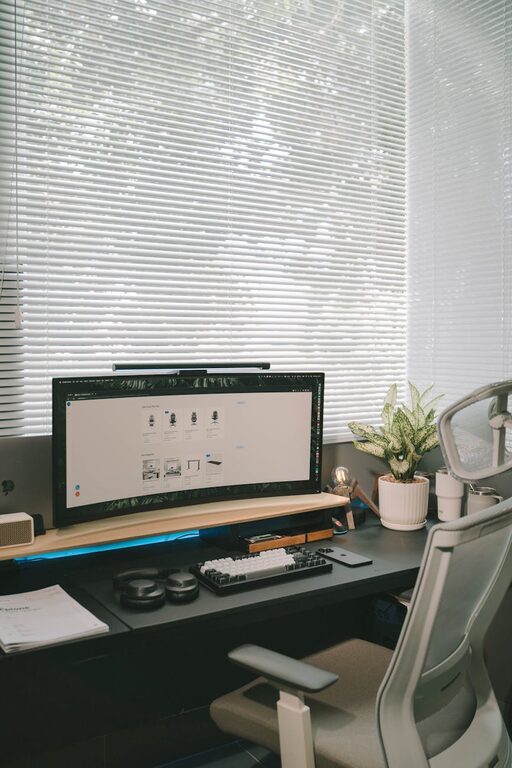
Creating a productive home office environment can make a significant difference in how effectively you work from home. Whether you are new to remote work or looking to improve your current setup, having a dedicated and well-organized workspace helps minimize distractions and maximize focus. In this post, we’ll explore practical tips for designing a home office that enhances your productivity and promotes your wellbeing.
Choose the Right Location
Selecting the best spot in your home for your office is the first critical step. Ideally, pick a quiet area with minimal foot traffic to reduce noise and interruptions. If space allows, a separate room with a door is perfect for creating boundaries between work and personal life. If a separate room isn’t available, consider a corner of a living room or bedroom that can be dedicated solely to work.
Invest in Comfortable and Functional Furniture
Your furniture affects both your comfort and productivity, so choose wisely.
– Ergonomic Chair: A good office chair supports your back and encourages good posture, reducing fatigue and discomfort throughout the day.
– Desk Space: Ensure your desk is large enough for your computer, notes, and any other tools you regularly use.
– Adjustable Elements: Consider desks or chairs with adjustable heights to allow you to alternate between sitting and standing positions.
Optimize Lighting
Proper lighting is essential for reducing eye strain and maintaining focus.
– Natural Light: Position your desk near a window if possible. Natural light improves mood and energy.
– Task Lighting: Use a desk lamp to provide focused light for reading and detailed tasks.
– Avoid Glare: Adjust your screen and light sources to avoid glare, which can cause discomfort.
Organize Your Workspace
A tidy workspace supports clearer thinking and reduces distractions.
– Declutter Regularly: Keep only essentials on your desk to maintain an organized look.
– Storage Solutions: Use shelves, drawers, and stationery holders to store items neatly.
– Cable Management: Use clips or trays to keep cables untangled and out of sight.
Minimize Distractions
Work-from-home environments often come with distractions. Here are ways to stay focused:
– Set Boundaries: Inform family or housemates about your work hours to minimize interruptions.
– Use Noise Control: Noise-canceling headphones or ambient sounds can help drown out background noise.
– Digital Discipline: Limit social media and non-work-related phone use during work hours.
Personalize Your Space
Adding personal touches can make your home office more inviting and motivating.
– Decor: Include artwork, plants, or photos that inspire you.
– Comfort Items: Keep a cozy blanket or a small fan or heater nearby for physical comfort.
– Inspirational Quotes: A favorite quote or mantra can boost your mood and focus.
Maintain a Routine
Establishing clear routines helps your mind switch into work mode.
– Regular Hours: Try to start and finish work at consistent times.
– Breaks: Take short breaks to stretch, hydrate, and rest your eyes.
– Start-of-Day Ritual: Begin with a to-do list or brief planning session to set priorities.
Embrace Technology
Use digital tools that improve your workflow.
– Task Management Apps: Apps like Trello or Asana can help organize tasks.
– Communication Tools: Familiarize yourself with video conferencing and messaging platforms.
– Backup Systems: Regularly back up your files to avoid data loss.
Keep Health in Mind
Your physical and mental health are key to sustained productivity.
– Exercise: Incorporate short exercises or stretches into your day.
– Hydration and Nutrition: Keep water and healthy snacks within reach.
– Eye Care: Follow the 20-20-20 rule—every 20 minutes, look at something 20 feet away for 20 seconds.
Review and Adjust
Your ideal home office setup may evolve over time. Periodically review your environment and make adjustments based on what’s working—and what’s not.
—
By thoughtfully designing your home office with these tips, you can create a welcoming, functional space that helps you stay productive and balanced throughout your workday. Remember, the goal is to foster a workspace that supports both your professional tasks and personal well-being.