
Creating a productive home office workspace is essential for anyone working remotely or managing tasks from home. A well-designed office helps maintain focus, reduces stress, and improves overall work quality. Whether you have a dedicated room or a small corner in your living space, these tips will guide you to set up an efficient and comfortable workspace.
Choose the Right Location
The first step in creating a productive home office is selecting a proper location. Ideally, find a quiet spot away from high-traffic areas in your home to minimize interruptions.
– Natural light: Aim for a space with ample natural light. Daylight helps improve mood and energy levels, increasing productivity.
– Ventilation: Good airflow keeps the room fresh and comfortable.
– Privacy: A location with a door or some form of separation from the rest of the house can help minimize distractions.
If dedicated space is limited, consider creative solutions like a fold-away desk or a room divider to carve out a work zone.
Invest in Ergonomic Furniture
Comfort plays a significant role in work productivity. Ergonomic furniture supports your posture and reduces strain.
– Chair: Choose an adjustable chair with lumbar support to protect your back during long hours.
– Desk: Your desk should be the right height, allowing you to keep your arms at a 90-degree angle while typing.
– Monitor placement: Position your computer screen at eye level to avoid neck strain.
If purchasing new furniture isn’t an option, use cushions or stands to improve your existing setup ergonomically.
Organize and Declutter
A cluttered workspace can distract you and reduce efficiency. Keep your office tidy and organized.
– Storage solutions: Use shelves, cabinets, or desk organizers to keep supplies in order.
– Minimalism: Keep only essential items on your desk. Remove unnecessary gadgets, papers, or decorations.
– Cable management: Use clips or cable sleeves to keep wires organized and prevent tangling.
Regularly clean your workspace to maintain a fresh environment.
Optimize Lighting
Proper lighting reduces eye strain and helps you stay alert.
– Task lighting: Use a desk lamp that provides focused light on your work area.
– Ambient lighting: Combine overhead lights with natural light sources to create a balanced setting.
– Avoid glare: Position monitors away from windows or use curtains to reduce screen glare.
Test different lighting options to find what works best for your tasks.
Establish Technology Essentials
A reliable tech setup supports seamless work.
– Internet: Ensure you have a stable, fast internet connection.
– Hardware: Use a quality keyboard, mouse, and headphones if needed.
– Backup: Regularly save your work on the cloud or an external drive.
Consider dual monitors or a docking station if your work demands multitasking.
Set Boundaries and Routines
Creating structure around your work hours can improve focus and work-life balance.
– Work hours: Define specific start and finish times.
– Breaks: Schedule regular short breaks to rest your eyes and stretch.
– Distraction management: Inform household members of your working hours and minimize social media use during work.
Using techniques like the Pomodoro Method can also enhance productivity.
Personalize Your Space
Adding personal touches can make your office inviting and motivating.
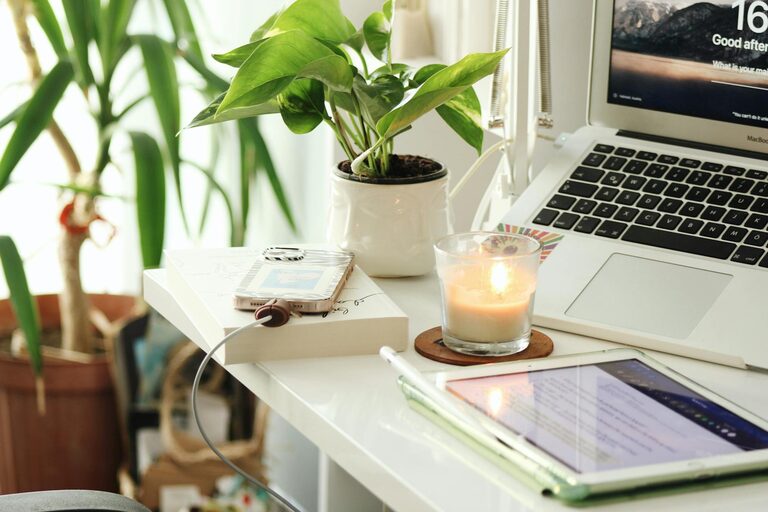
– Plants: Indoor plants improve air quality and add life to your workspace.
– Artwork: Choose calming or inspiring artwork that resonates with you.
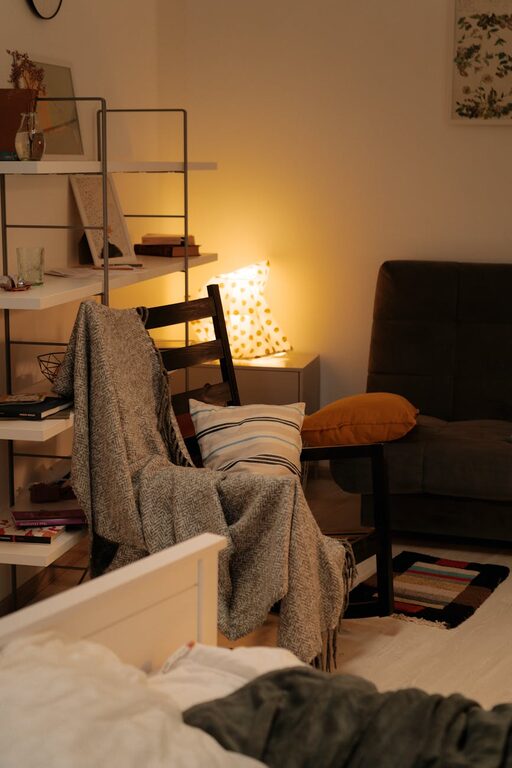
– Comfort items: Include a cozy blanket or a favorite mug to make the environment comfortable.
Balance personalization with professionalism, especially if you partake in video calls.
Maintain Good Air Quality and Temperature
A comfortable office environment affects concentration and health.
– Ventilation: Open windows regularly or use an air purifier.
– Temperature: Keep the room at a comfortable temperature, generally between 68-72°F (20-22°C).
Adjust your environment to your personal comfort for better productivity.
Final Thoughts
Designing a productive home office workspace doesn’t require a large budget or a dedicated room. With thoughtful planning, ergonomic adjustments, and mindful organization, you can create an environment that supports your focus and efficiency. Experiment with these tips to find the setup that best fits your lifestyle and work needs. A purposeful workspace will not only boost your productivity but also help maintain a healthy work-life balance.