Creating a home office that feels both cozy and functional can transform the way you work. Whether you spend a few hours a week or the full eight-hour day in your workspace, having an environment that supports your tasks and keeps you comfortable is essential. This guide will walk you through practical tips to help you design a home office space tailored to your needs, habits, and style.
Why a Cozy and Functional Home Office Matters
A well-designed home office helps improve focus, reduces stress, and can even enhance creativity. When your workspace is inviting yet organized, you’re more likely to enjoy the time you spend working and be better prepared to handle your responsibilities efficiently.
1. Choose the Right Location
Your home office should be in a spot that minimizes distractions.
– Natural Light: Whenever possible, select a space near a window. Natural light reduces eye strain and elevates mood.
– Quiet Area: Pick a corner away from high-traffic zones like the kitchen or living room.
– Privacy: If possible, choose a room with a door you can close during meetings or focused work sessions.
2. Invest in Comfortable and Supportive Furniture
The furniture you select will greatly impact your physical well-being and productivity.
– Ergonomic Chair: Look for a chair with adjustable height, back support, and comfortable cushioning. Good posture prevents fatigue.
– Desk Size: Ensure your desk is large enough to accommodate your computer, notebooks, and essentials without feeling cramped.
– Standing Option: Consider a sit-stand desk or an adjustable workspace to change positions throughout the day.
3. Organize with Purpose
Keeping your workspace tidy enhances focus and reduces stress. Here are some organization ideas:
– Use Storage Solutions: Drawer organizers, shelves, and filing cabinets help keep papers and supplies neat.
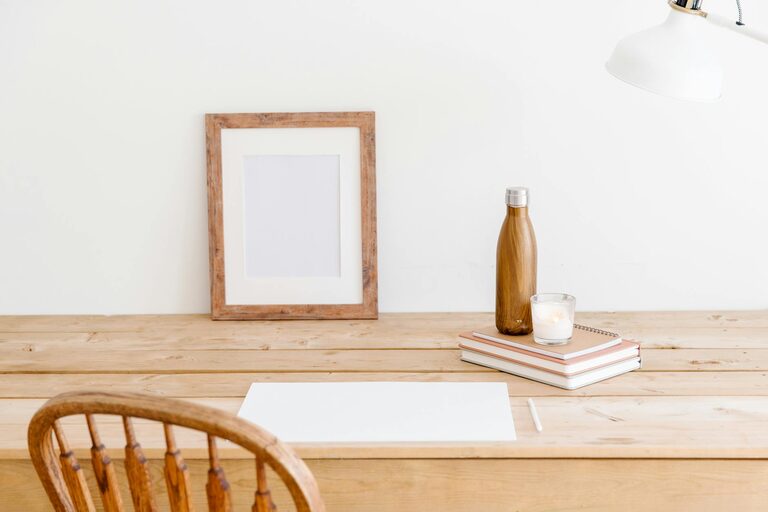
– Minimalist Desk: Keep only daily-use items on your desk to limit clutter.
– Cable Management: Use clips or sleeves to keep cables untangled and off your work surface.
4. Personalize Your Space
Adding personal touches makes your home office feel welcoming without distracting from your work.
– Decor: Choose artwork, plants, or photos that inspire you or bring calm.
– Color: Soft, neutral colors often create a soothing atmosphere while brighter tones can add energy.
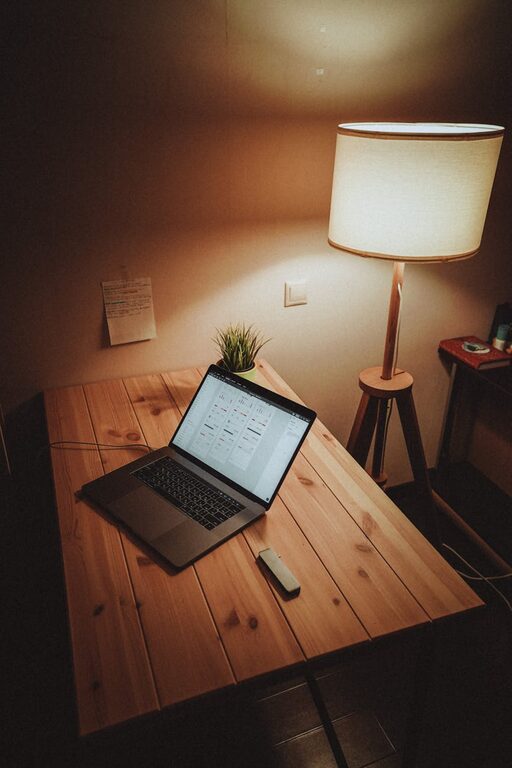
– Lighting: Add a desk lamp with adjustable brightness to complement overhead lighting and reduce eye strain.
5. Optimize Technology Setup
Technology is a key part of modern home offices but can become a source of frustration if not set up thoughtfully.
– Monitor Position: Position your monitor at eye level and about an arm’s length away to prevent neck and eye strain.
– High-Speed Internet: Ensure your internet connection supports video calls and other online activities smoothly.
– Accessories: Invest in a good keyboard, mouse, and headset for comfort and efficiency.
6. Create Zones for Different Tasks
If space allows, dividing your home office into zones can help keep your work organized.
– Task Zone: Your main desk area for computer work.
– Creative Zone: A surface or table for brainstorming, drawing, or other hands-on projects.
– Storage Zone: Shelves or cabinets dedicated to keeping reference materials, supplies, and documents.
7. Maintain Work-Life Balance
A home office should encourage productivity but also help separate work from personal life.
– Set Boundaries: Use your office door or a room divider to signal when you are working.
– Set Work Hours: Clearly define your start and end times for work to avoid burnout.
– End-of-Day Routine: Leave your workspace tidy and turn off electronics to mentally switch off from work.
8. Keep Your Space Fresh and Inviting
Regular care keeps your home office a pleasant place to spend time.
– Air Quality: Open windows or use an air purifier to keep the air fresh.
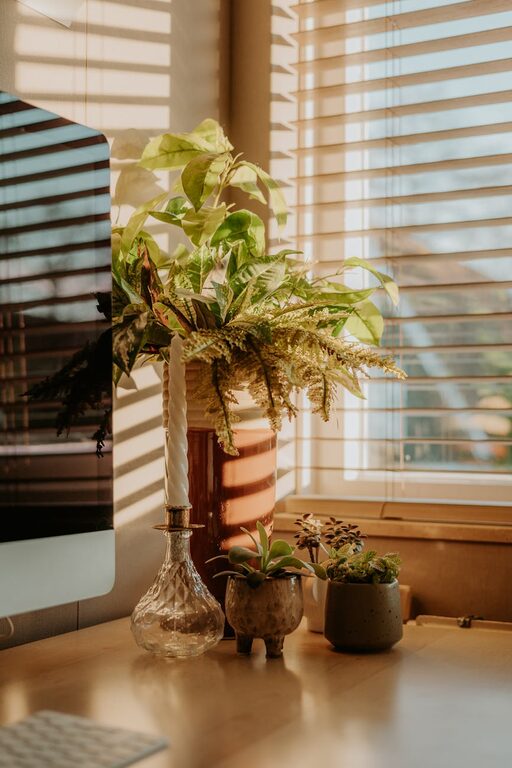
– Plants: Indoor plants improve air quality and add life to your office.
– Regular Cleaning: Make a habit of dusting and cleaning surfaces at least once a week.
—
Designing a cozy and functional home office doesn’t have to be expensive or complicated. With a few thoughtful steps, you can create a space that supports your productivity and well-being. Start with the basics—location, furniture, and organization—and personalize your office to reflect your style and work habits. A comfortable and efficient home workspace can make a big difference in your daily routine.